 0
0
 0
0
Ear hygiene is an important part of personal care, yet it is often misunderstood. Many people believe that frequent and deep cleaning is necessary to maintain healthy ears. However, improper cleaning techniques can lead to irritation, impacted earwax, or even damage to the ear canal. Understanding the correct and safe way to clean your ears helps prevent unnecessary complications.
The ears are naturally self-cleaning organs. Earwax, also known as cerumen, plays a protective role by trapping dust, debris, and microorganisms. In most cases, the body gradually pushes excess wax out of the ear canal on its own. Problems usually arise when individuals attempt to remove wax incorrectly using cotton swabs or sharp objects. Learning proper ear hygiene methods ensures comfort, protects hearing, and supports overall ear health without causing harm.
Understanding the Role of Earwax
Earwax is often viewed negatively, but it serves an essential function. It moisturizes the ear canal, prevents dryness, and acts as a barrier against bacteria and dirt.
A small amount of earwax is normal and healthy. The ear canal naturally moves wax outward through jaw movements such as chewing and talking.
Within reliable ear health maintenance and safe hygiene care practices, understanding the purpose of earwax reduces the urge to over-clean.
Excessive cleaning can disrupt this natural balance.
Recognizing that wax is protective helps prevent unnecessary intervention.
Safe Ways to Clean the Outer Ear
The outer ear, or auricle, can be cleaned gently using a soft washcloth and warm water during regular bathing.
Mild soap may be used on the outer skin but should never be inserted into the ear canal. After washing, gently dry the outer ear with a clean towel.
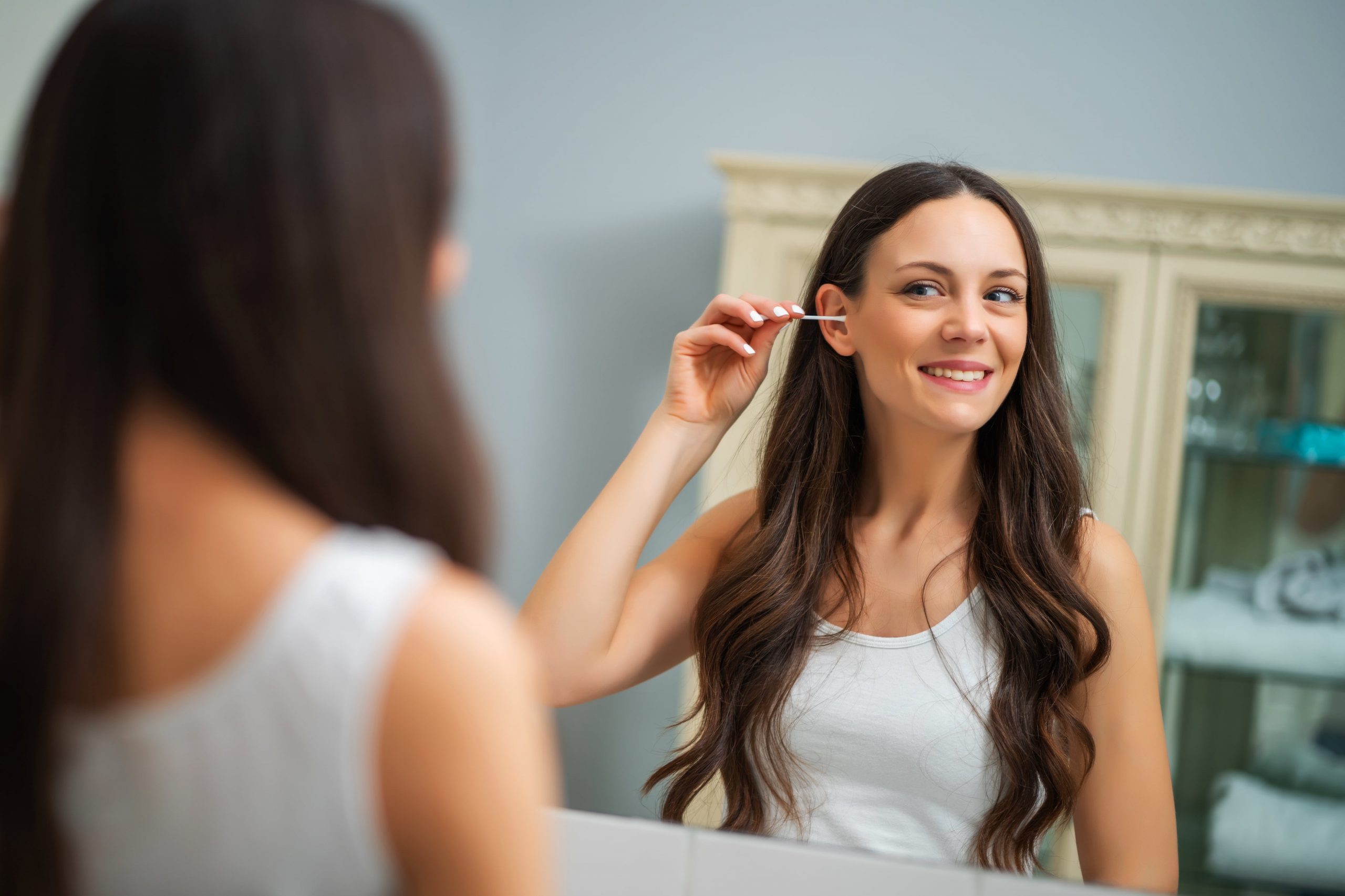
Avoid inserting cotton swabs or other objects inside the ear canal. These can push wax deeper and cause blockage.
Gentle external cleaning is usually sufficient for maintaining hygiene.
When Earwax Removal Is Necessary
In some cases, earwax can accumulate and cause symptoms such as muffled hearing, discomfort, or a feeling of fullness in the ear.
Over-the-counter ear drops designed to soften wax may help. These solutions loosen buildup, allowing natural removal.
Within recommended preventive ear care and hearing protection wellness guidelines, seeking medical assistance is safest if blockage persists.
Healthcare professionals can perform safe irrigation or manual removal when needed.
Professional care prevents injury.
Common Mistakes to Avoid
Using cotton swabs inside the ear canal is one of the most common mistakes. While they may appear helpful, they often push wax further inward.
Sharp objects such as hairpins or toothpicks pose serious risks and can damage the delicate ear canal or eardrum.
Overusing ear candles is also discouraged, as they lack scientific support and may cause burns or injury.
Avoiding these practices protects ear health.
Safe habits reduce long-term complications.
Signs You Should See a Doctor
Persistent ear pain, discharge, dizziness, or sudden hearing loss should not be ignored. These symptoms may indicate infection or other conditions beyond simple wax buildup.
If home remedies fail or symptoms worsen, consulting a healthcare provider ensures proper diagnosis.
Within structured personal health safety and responsible hygiene management strategies, professional evaluation provides peace of mind.
Prompt attention prevents further complications.
Monitoring ear health supports overall well-being.
Conclusion
Proper ear cleaning focuses on gentle care rather than deep or aggressive methods. The ears are naturally self-cleaning, and earwax plays an important protective role. Cleaning the outer ear with mild soap and water is typically sufficient for maintaining hygiene. When wax buildup causes discomfort or hearing changes, safe solutions such as softening drops or professional medical removal are recommended. Avoiding common mistakes like inserting cotton swabs or sharp objects into the ear canal prevents injury and blockage. Paying attention to warning signs such as pain or persistent hearing issues ensures timely medical consultation. Ultimately, safe ear hygiene practices protect hearing, maintain comfort, and reduce unnecessary risks. By understanding how the ear functions and applying gentle care methods, individuals can support long-term ear health responsibly and effectively.